Growing Centuries
Fundamentos Agile
Fundamentos Agile
Não foi possível carregar a disponibilidade de recolha
O que é Fundamentos Agile?
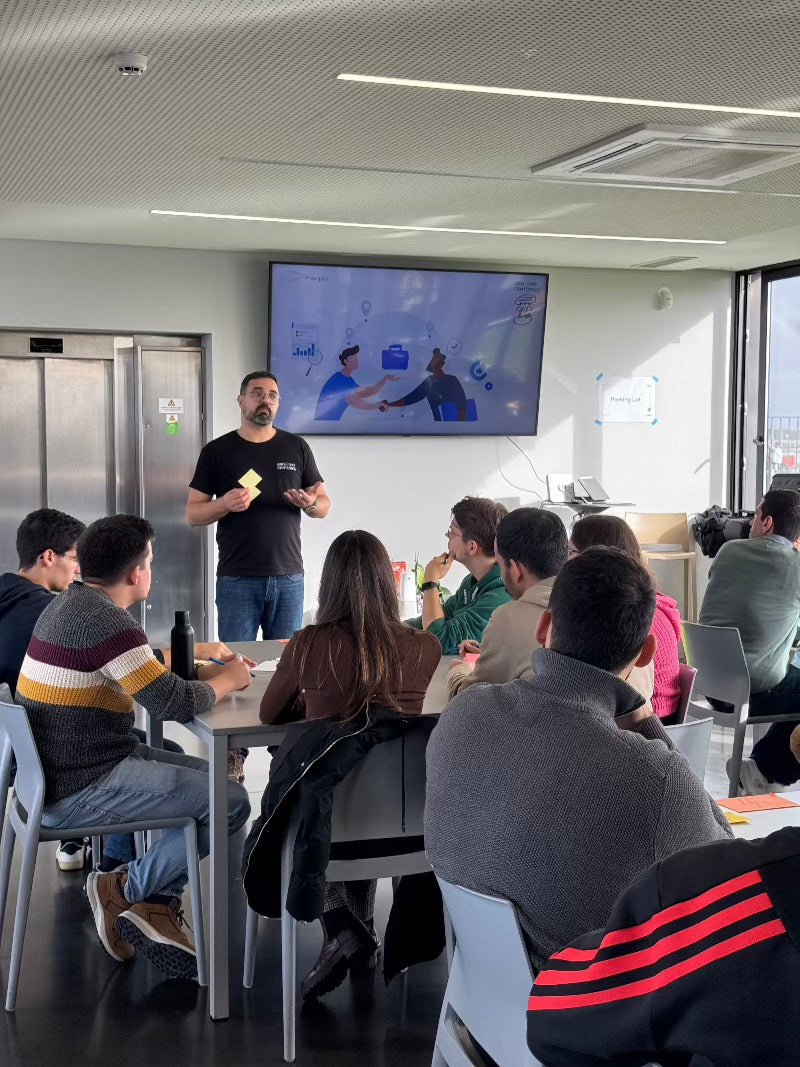
Fundamentos Agile é um workshop prático e interativo que proporciona uma base sólida nos princípios, mentalidade e práticas centrais Agile.
Num mundo onde a mudança é constante e a incerteza é a norma, as formas tradicionais de trabalhar são muitas vezes insuficientes. Este treino ajuda indivíduos e equipas a entender porque é que Agile existe, como funciona, e como aplicá-lo eficazmente em ambientes reais.
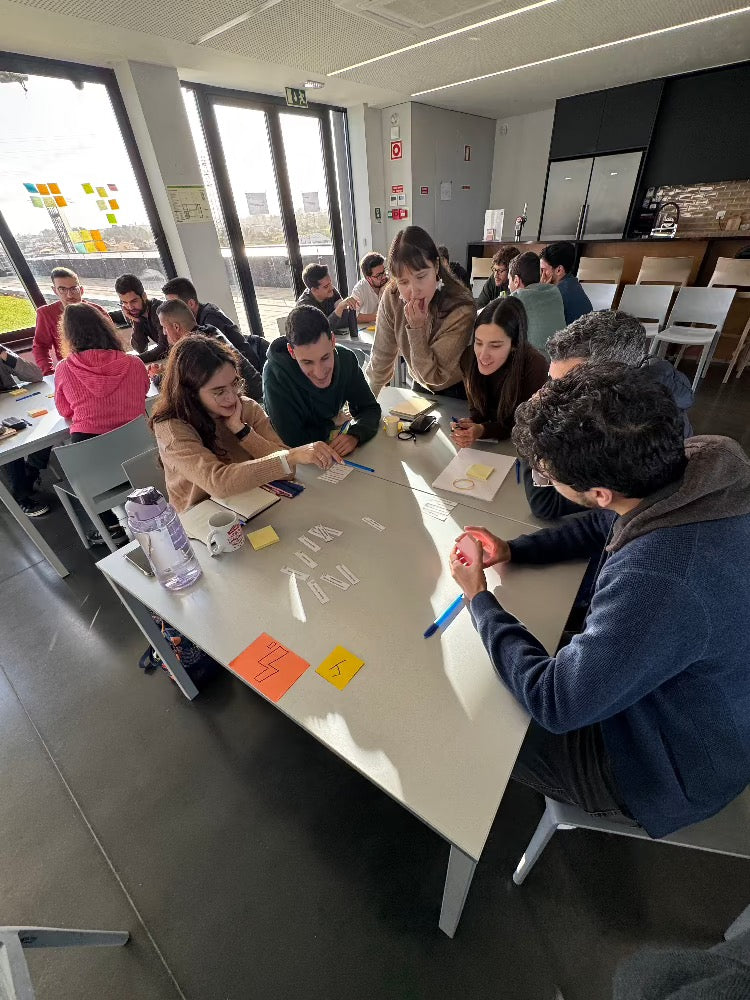
Em vez de se focar apenas na teoria, o workshop enfatiza a aprendizagem pela prática, ajudando os participantes a desenvolver as competências e a confiança necessárias para trabalhar em contextos Agile.
Quem deve participar?
Este workshop é destinado a:
- Profissionais que querem compreender e aplicar os princípios Agile
- Scrum Masters, Agile Coaches e Product Owners que desejam construir ou fortalecer as suas bases
- Equipas e organizações em transição para formas de trabalho Agile
- Qualquer pessoa que procure melhorar a colaboração, adaptabilidade e eficácia em ambientes dinâmicos
Não é necessária experiência prévia em Agile.
Resultados de aprendizagem
No final do workshop, os participantes serão capazes de:
- Compreender a diferença entre abordagens tradicionais (Waterfall) e Agile
- Explicar o Manifesto Agile, os seus valores e princípios
- Compreender o que significa entregar valor
- Descrever os papéis, eventos e artefactos do Scrum
- Aplicar técnicas de estimativa como Planning Poker
- Participar e facilitar cerimónias Agile com confiança
- Trabalhar eficazmente como parte de uma equipa Agile
O que vai aprender
O workshop aborda:
- Mentalidade Agile – Adaptabilidade, resiliência e melhoria contínua
- Valores e princípios Agile – Os fundamentos por trás das formas de trabalho Agile
- Frameworks e práticas – Scrum, Kanban e outras abordagens Agile
- Colaboração e dinâmica de equipa – Confiança, comunicação e trabalho em equipa
- Entrega iterativa e incremental – Aprendizagem através de feedback e experimentação
- Agile além de IT – Aplicação dos princípios Agile em diferentes indústrias e contextos
Como acontece a aprendizagem
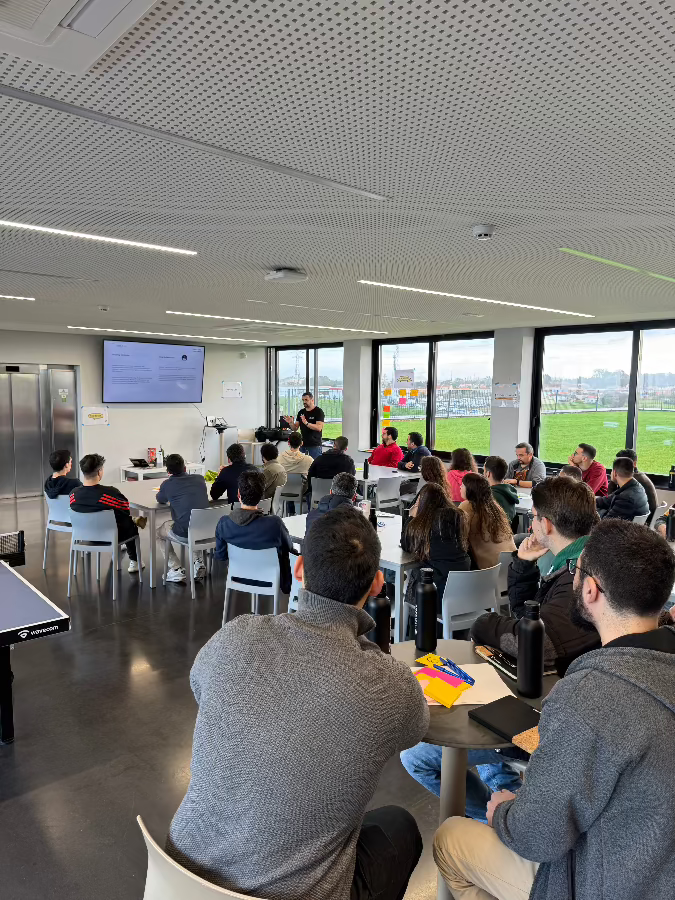
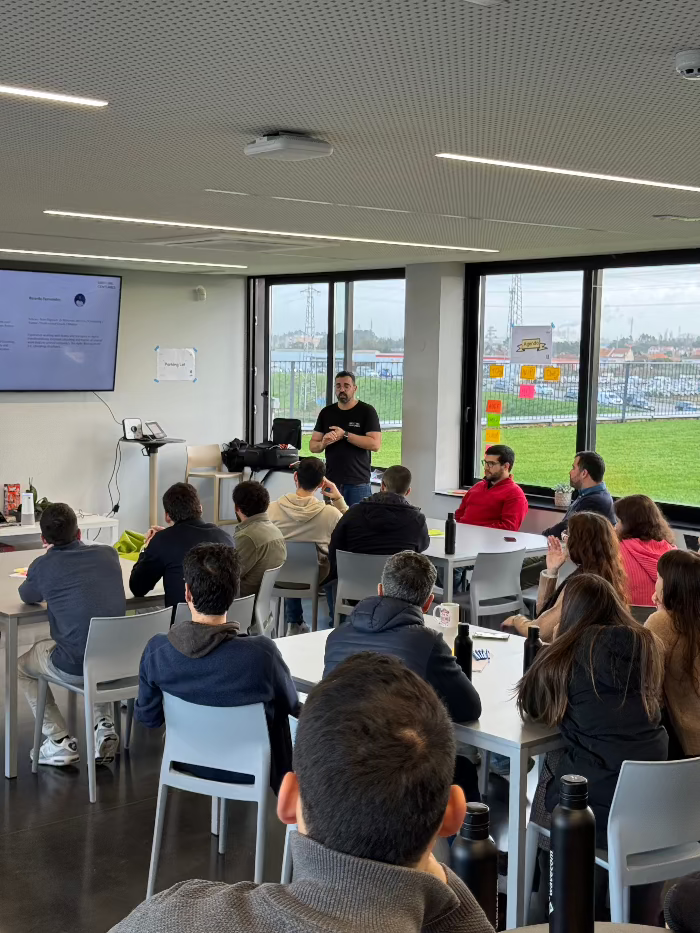
Este não é um curso baseado em palestras.
A aprendizagem acontece através de:
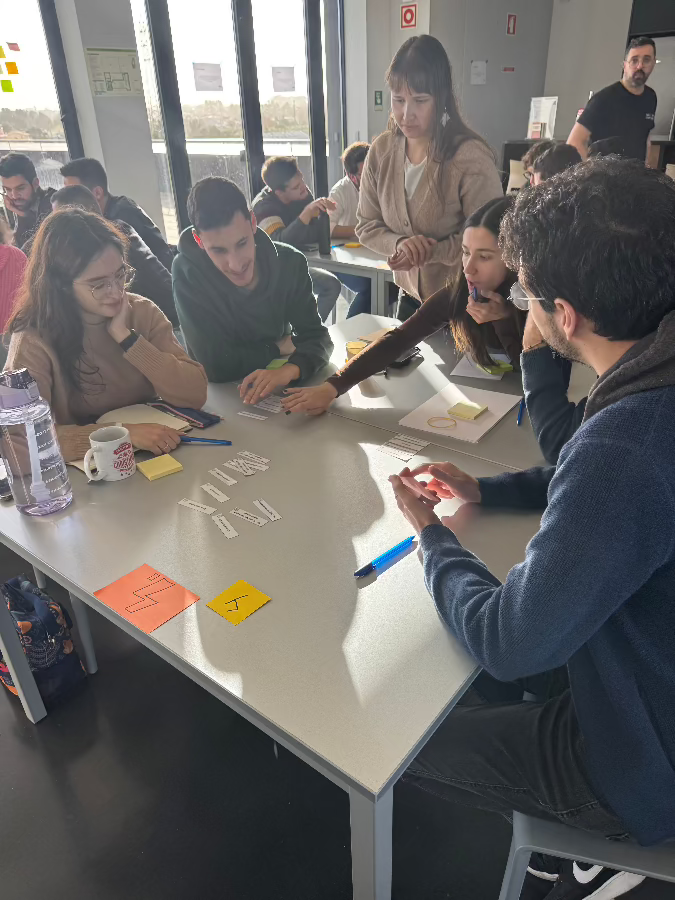
- Discussões de casos reais
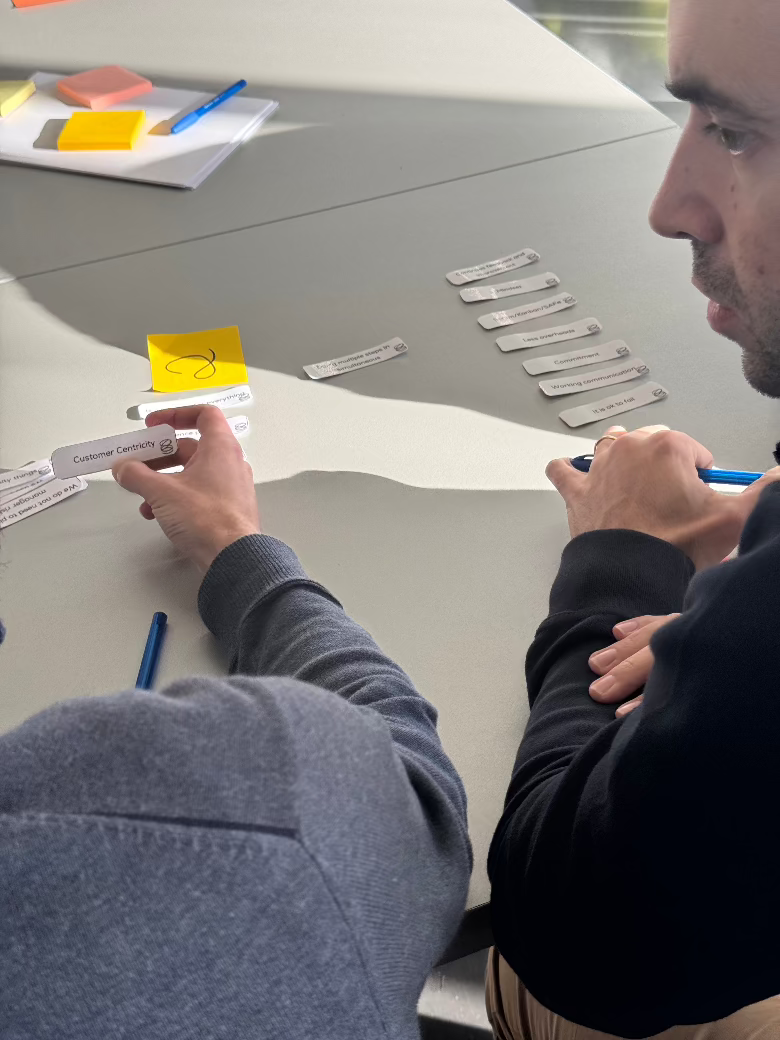
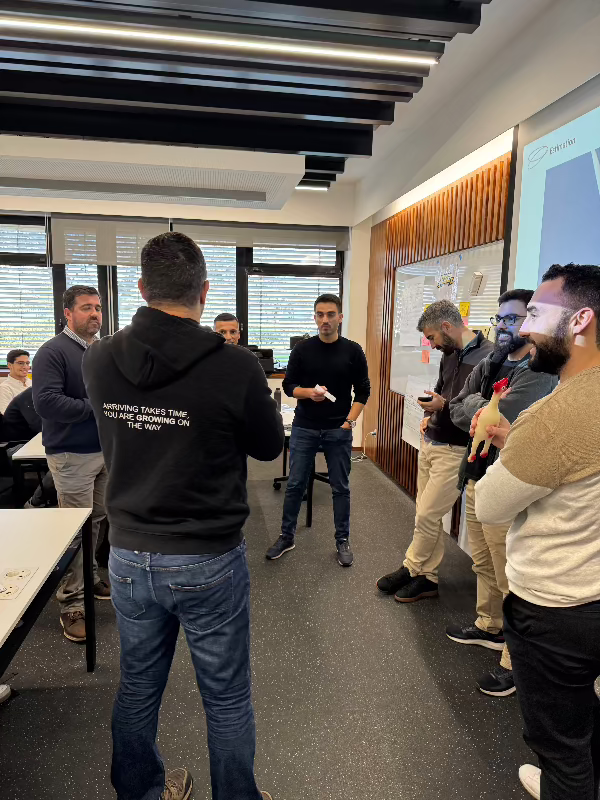
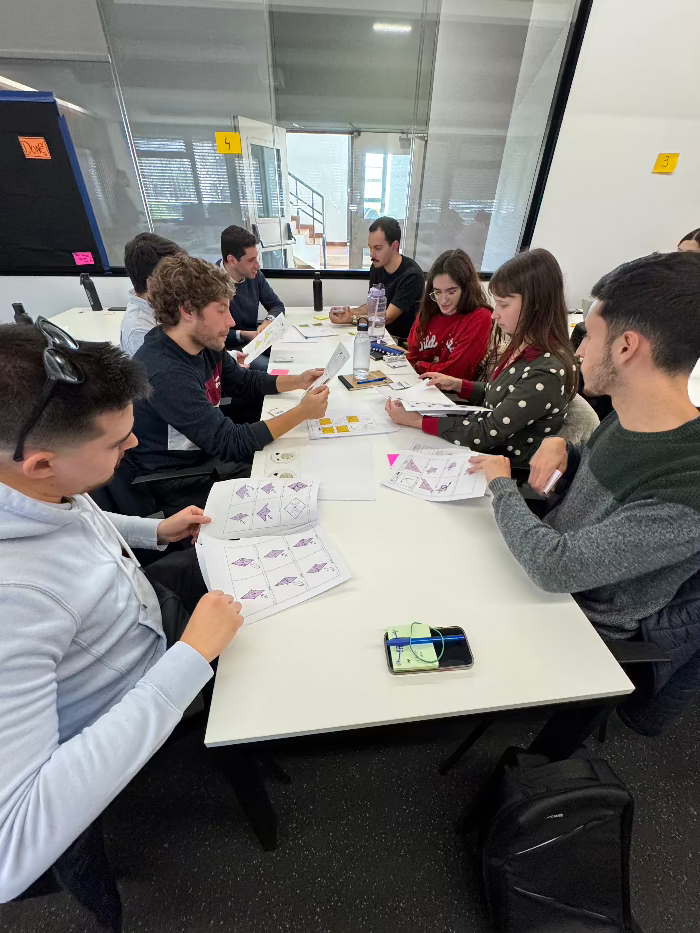
- Exercícios de grupo e simulações
- Simulações Agile baseadas em LEGO®
- Reflexão guiada e feedback em tempo real
Os participantes são incentivados a envolver-se ativamente e a experimentar ao longo do workshop
Benefícios do treino
Os participantes e as equipas ganham:
- Uma base Agile sólida e prática
- Maior capacidade de resposta à mudança e incerteza
- Melhor colaboração e alinhamento de equipa
- Técnicas práticas aplicáveis de imediato
- Uma linguagem partilhada em torno de conceitos e práticas Agile
Formato e duração do treino
- Formato: Presencial ou online
- Duração: 8 a 16 horas (adaptável às necessidades da equipa)
- Estilo: Interativo, experiencial e prático
Exemplo de agenda - Fundamentos Agile e Scrum (2 dias)
Dia 1 - Fundamentos
- História do desenvolvimento de software e do modelo Waterfall
- Porque é que o Agile surgiu e que problema resolve
- O que realmente significa Agile
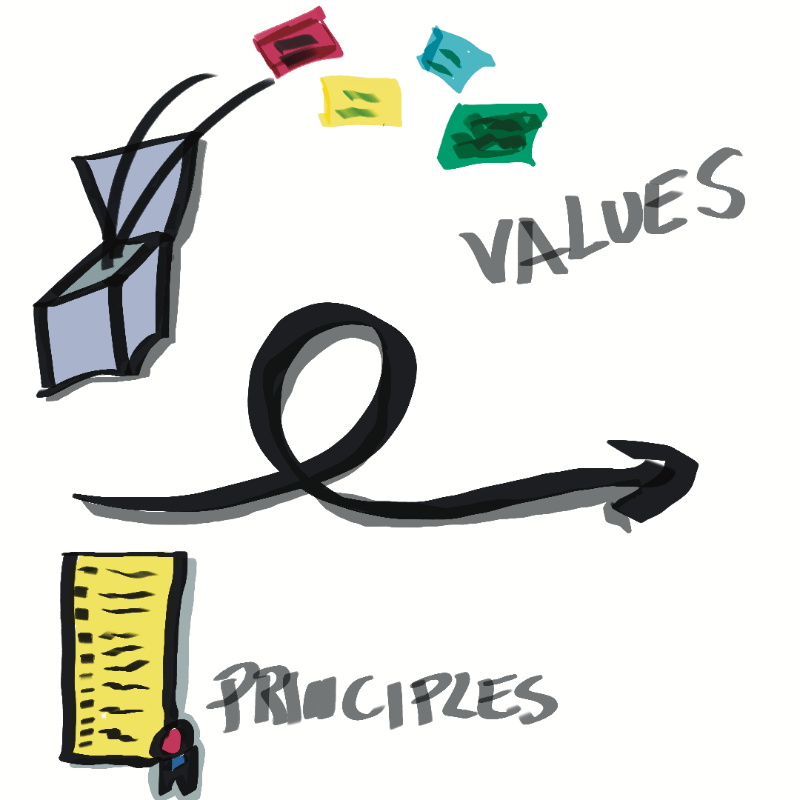
- Manifesto Agile: valores e princípios na prática
- Entrega de valor: resultados vs. saídas
- Introdução ao Scrum
- Papéis do Scrum: Product Owner, Scrum Master, Developers
- Visão geral dos eventos do Scrum
Dia 2 - Prática e Aplicação
- Aprofundamento nos eventos do Scrum e dicas de facilitação
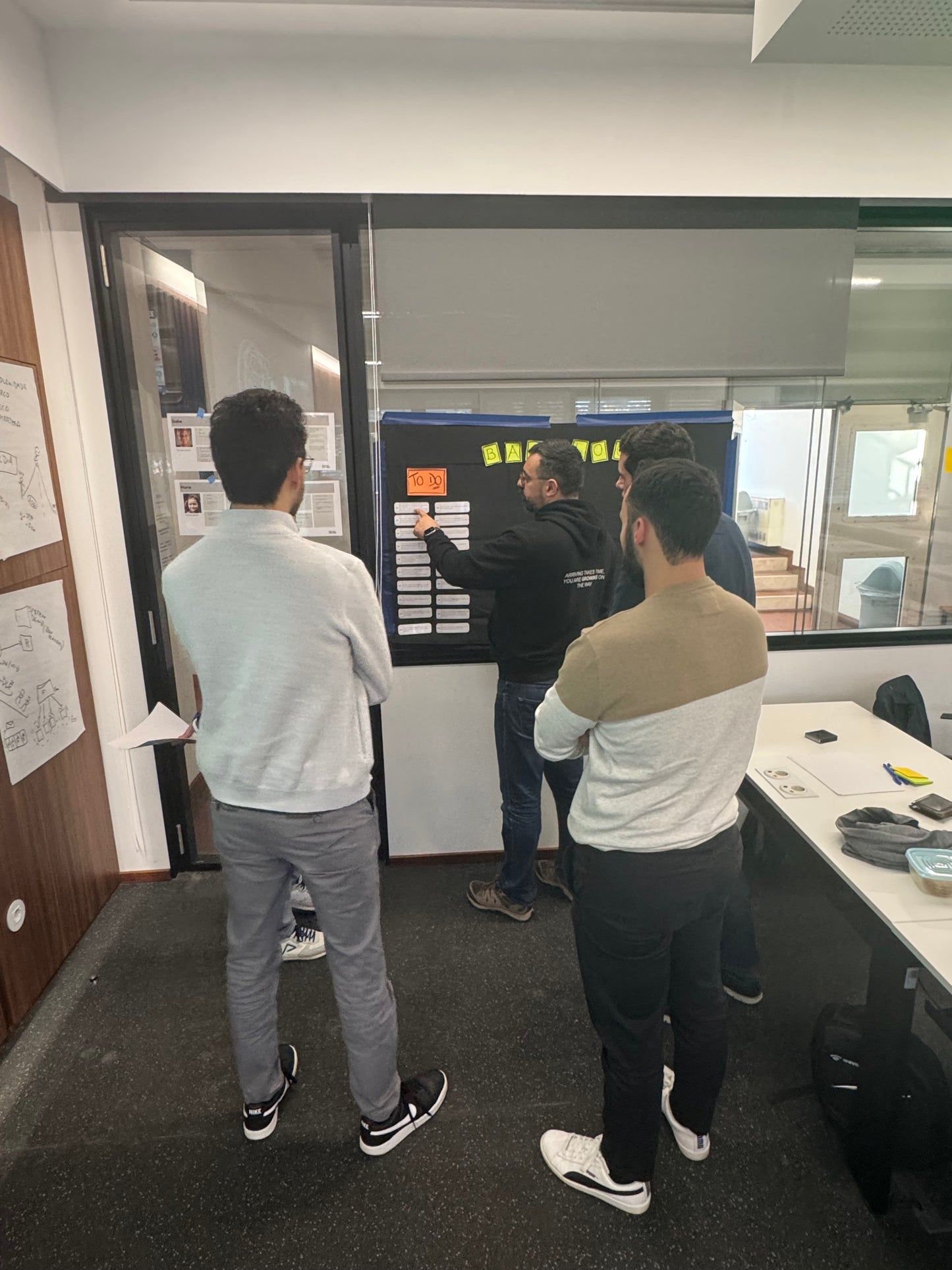
- Artefactos do Scrum: Product Backlog, Sprint Backlog, Incremento, Definition of Done
- Estimativa e Planning Poker
- Sprint Planning: âmbito, capacidade e compromisso
- Simulação final: Projeto Agile com LEGO®
- As equipas executam vários sprints para entregar valor
- Reflexão de grupo e debrief
Share