Growing Centuries
Liderança Ágil
Liderança Ágil
Não foi possível carregar a disponibilidade de recolha
O que é Liderança Ágil?
Liderança Ágil é uma formação prática concebida para ajudar os líderes a adotar a mentalidade, os comportamentos e as competências necessárias para liderar eficazmente em ambientes de ritmo acelerado, incertos e em constante evolução.
A Liderança Ágil não se trata de seguir uma estrutura.
Trata-se de como os líderes pensam, decidem, comunicam e capacitam os outros.
Esta formação baseia-se em anos de experiência da Growing Centuries, trabalhando com líderes em diferentes níveis e em diversos contextos organizacionais.
Porquê Liderança Ágil?
Os líderes de hoje são esperados que entreguem resultados enquanto navegam na ambiguidade, mudança e complexidade.
A Liderança Ágil ajuda os líderes a:
-
Adaptar-se à mudança
Navegar na incerteza com confiança e clareza -
Capacitar equipas
Promover autonomia, responsabilidade e propriedade -
Impulsionar a inovação
Incentivar a experimentação e a melhoria contínua -
Melhorar a comunicação
Criar alinhamento, confiança e compreensão partilhada -
Focar no valor
Liderar com uma mentalidade centrada no cliente e orientada para resultados
O que vai aprender
Os participantes irão explorar e praticar:
- Princípios centrais da Liderança Ágil e como aplicá-los
- Comportamentos de liderança que permitem confiança, aprendizagem e capacitação
- Comunicação e fluxo de informação em ambientes Ágeis
- Liderar equipas diversas e distribuídas
- Gerir a resistência e apoiar a mudança organizacional
- Equilibrar a visão estratégica com a execução operacional
O foco está sempre em situações reais de liderança, não em teoria abstrata.
Para quem é esta formação?
Esta formação foi concebida para:
- Líderes de todos os níveis que estão a evoluir o seu estilo de liderança
- Gestores que estão a construir equipas colaborativas e de alto desempenho
- Agile Coaches, Scrum Masters e Agentes de Mudança
- Organizações em transição para ou a fortalecer formas de trabalho Ágeis
Não é necessária formação prévia em liderança ágil.
Exemplo de programa (2 dias)
Dia 1 — Fundamentos
- Visão geral Agile: estrutura, processo e regras
- De gerir o trabalho a liderar pessoas
- Estilos de liderança em ambientes Ágeis
- Comunicação e gestão da informação
- Visão, objetivos e alinhamento estratégico
Dia 2 — Prática e Aplicação
- Auto-liderança e autoconsciência
- Capacitação, confiança e responsabilidade
- Inovação e produtividade em equipas Ágeis
- Lidar com a resistência e a mudança
- Aplicar a Liderança Ágil em contextos reais
Benefícios da Liderança Ágil
Participantes e organizações ganham:
- Desempenho de equipa mais rápido e sustentável
- Maior envolvimento e motivação
- Melhor tomada de decisão em ambientes incertos
- Maior alinhamento entre estratégia e execução
- Práticas de liderança que escalam com a complexidade
Formato e duração da formação
- Formato: Presencial ou online
- Duração: Normalmente 2 dias (adaptável ao contexto)
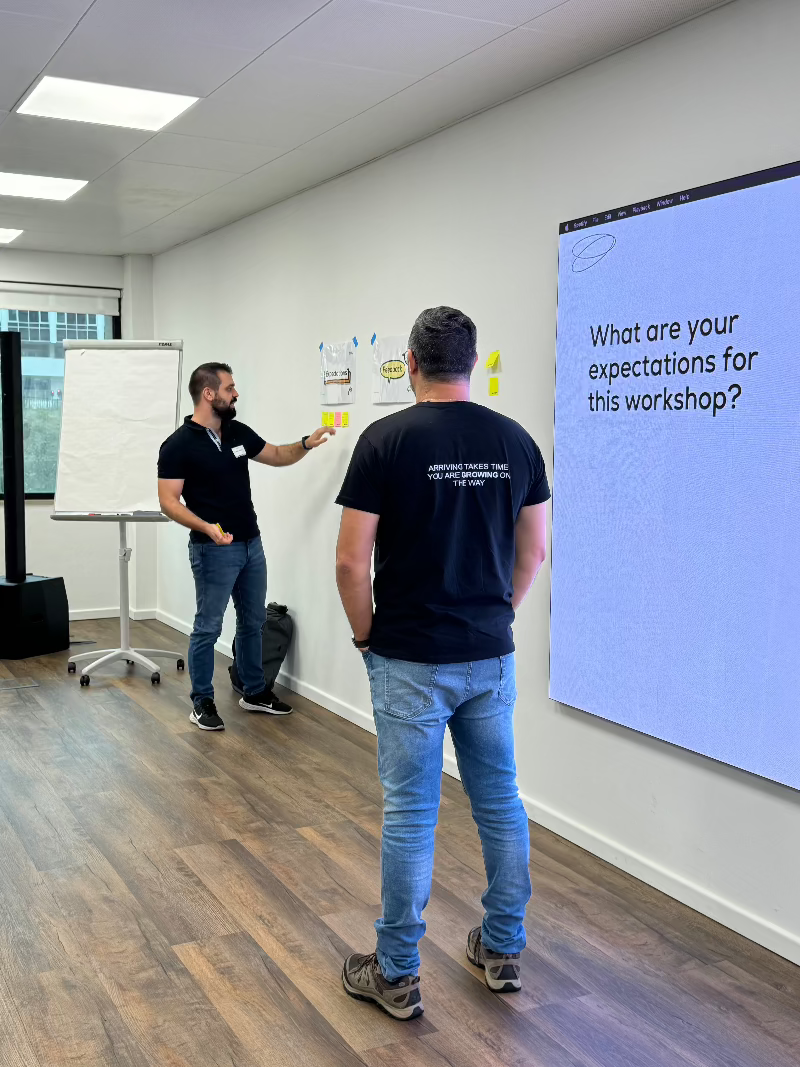
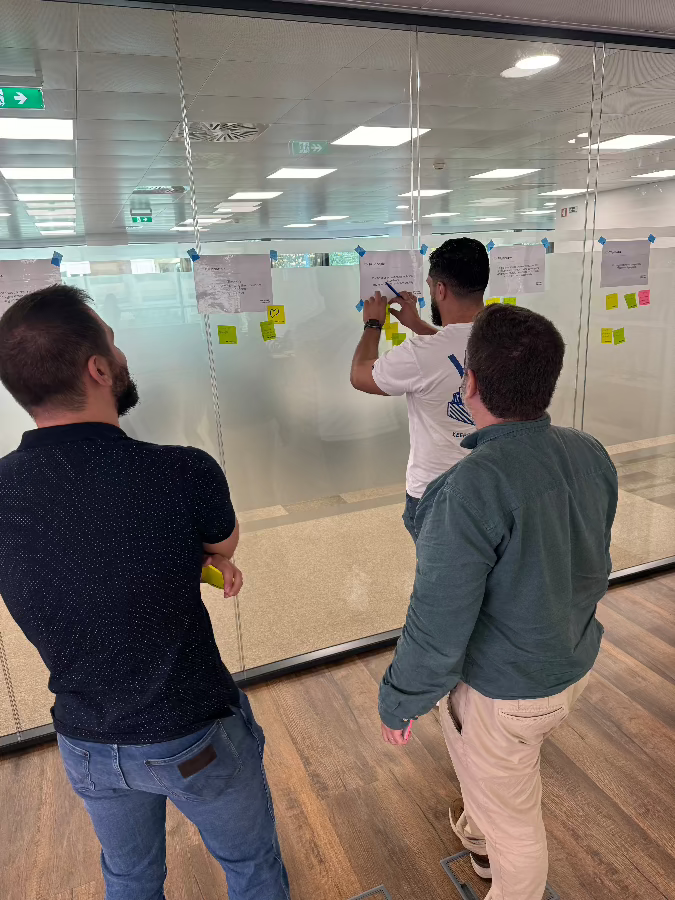
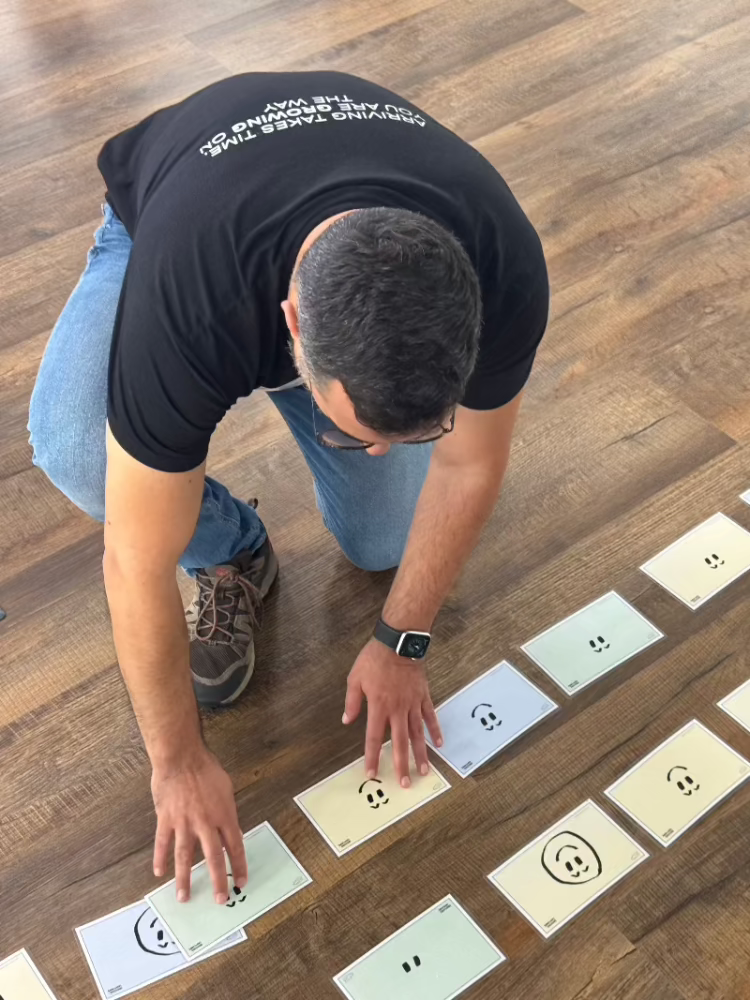
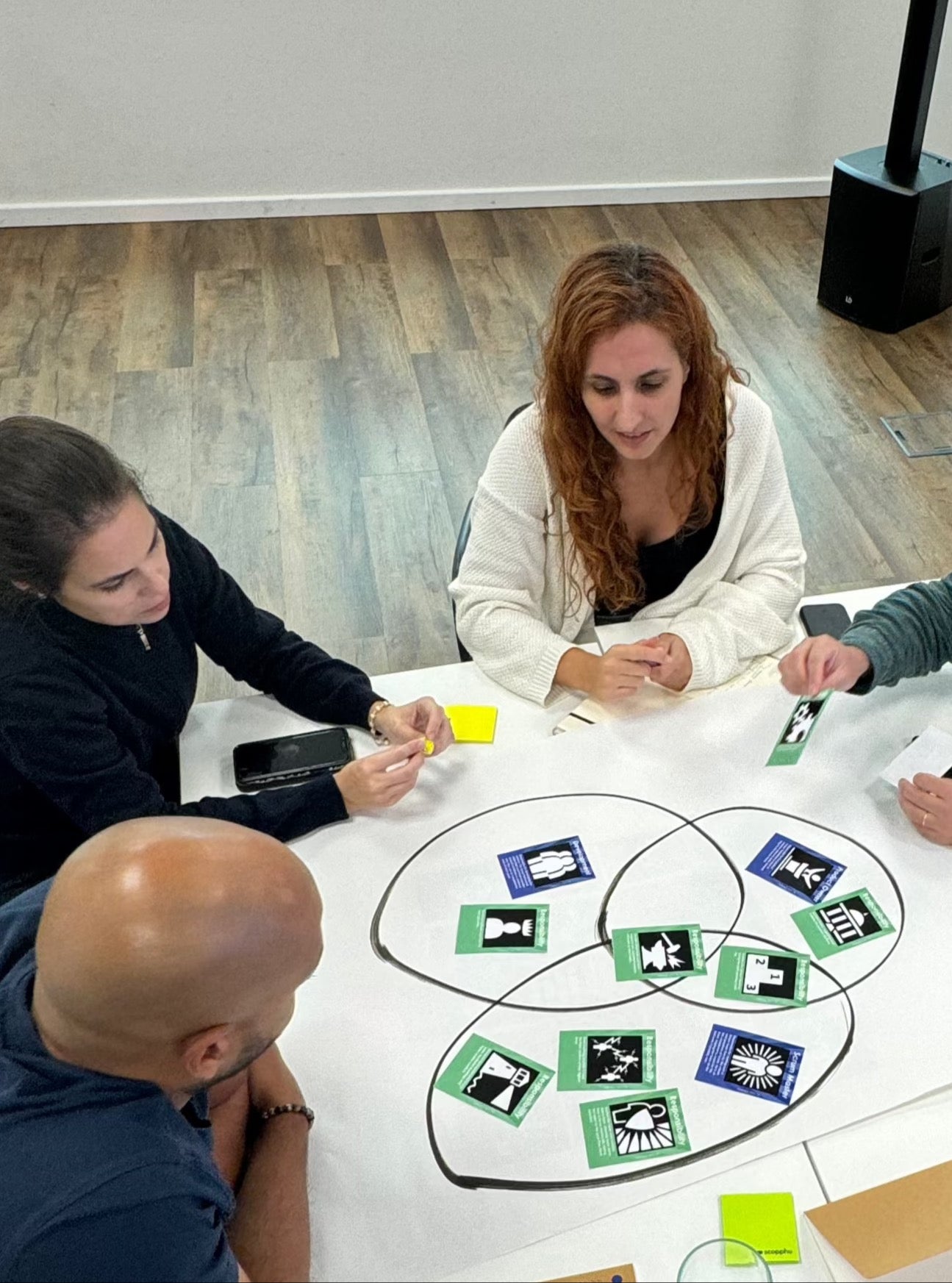
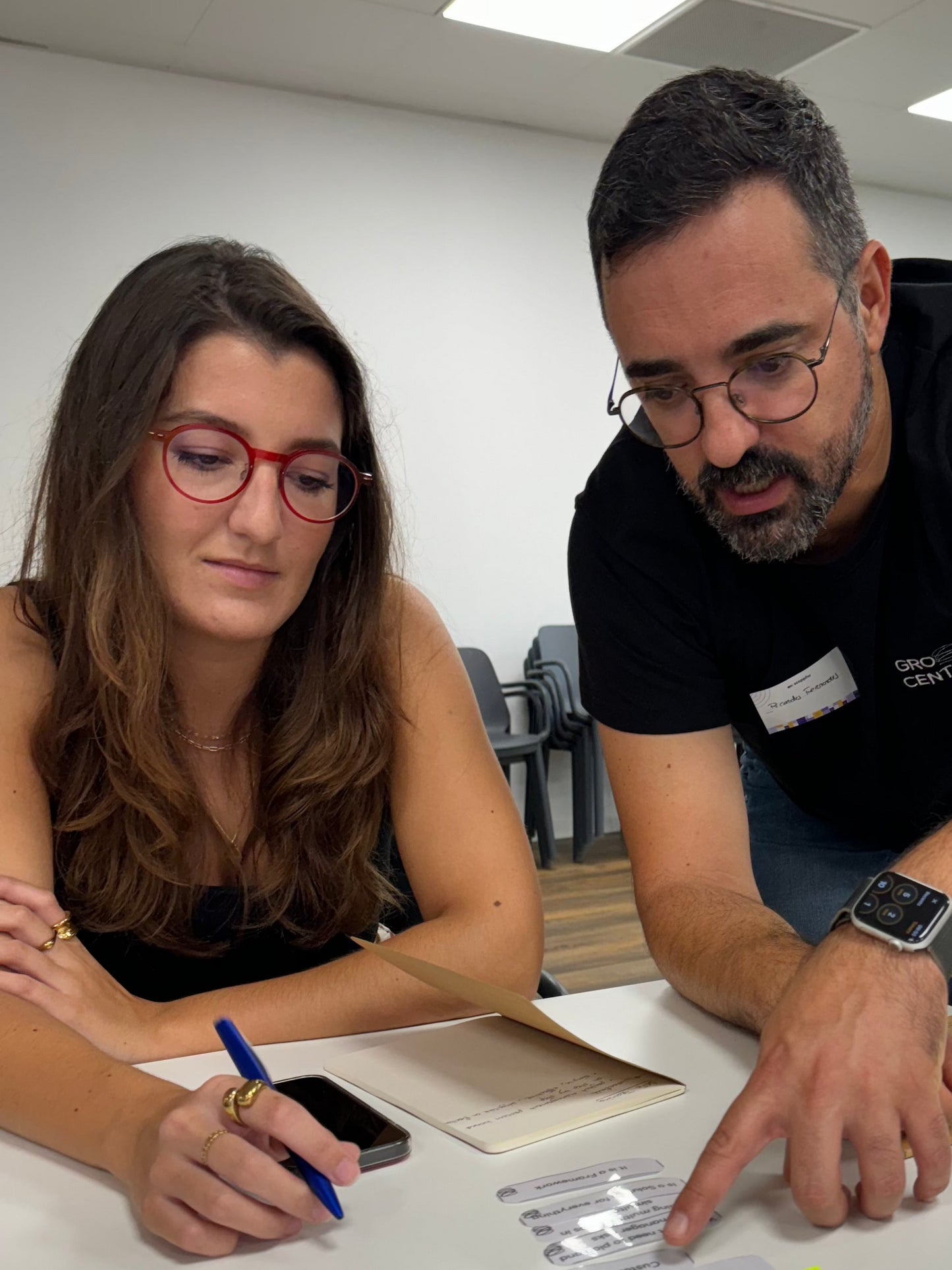
- Estilo: Interativo, reflexivo e baseado na prática
Share