Growing Centuries
Formação Kanban para Equipas Ágeis
Formação Kanban para Equipas Ágeis
Não foi possível carregar a disponibilidade de recolha
O que é este curso?
O Curso de Kanban é uma experiência de aprendizagem prática e interativa, concebida para ajudar profissionais e equipas a compreender, aplicar e desenvolver o método Kanban em contextos organizacionais reais.
Em vez de tratar o Kanban como um quadro ou um conjunto de regras, este curso foca-se no fluxo, na tomada de decisões e na melhoria contínua, ajudando as equipas a gerir o trabalho de forma mais eficaz e a entregar valor com maior consistência.
O conteúdo baseia-se em anos de experiência prática na Growing Centuries, em diferentes indústrias e configurações de equipa.
Para quem é este curso?
Este curso é dirigido a:
- Líderes e gestores que procuram maior visibilidade e fluidez
- Equipas Agile e não-Agile que visam maior previsibilidade
- Scrum Masters, Agile Coaches e Product Owners
- Analistas de negócio e profissionais envolvidos na entrega
- Qualquer pessoa interessada em melhorar a gestão de tarefas e projetos
Não é necessária experiência prévia com Kanban.
O que vai aprender
Os participantes exploram e praticam:
-
Introdução ao Kanban
Origens, princípios e valores -
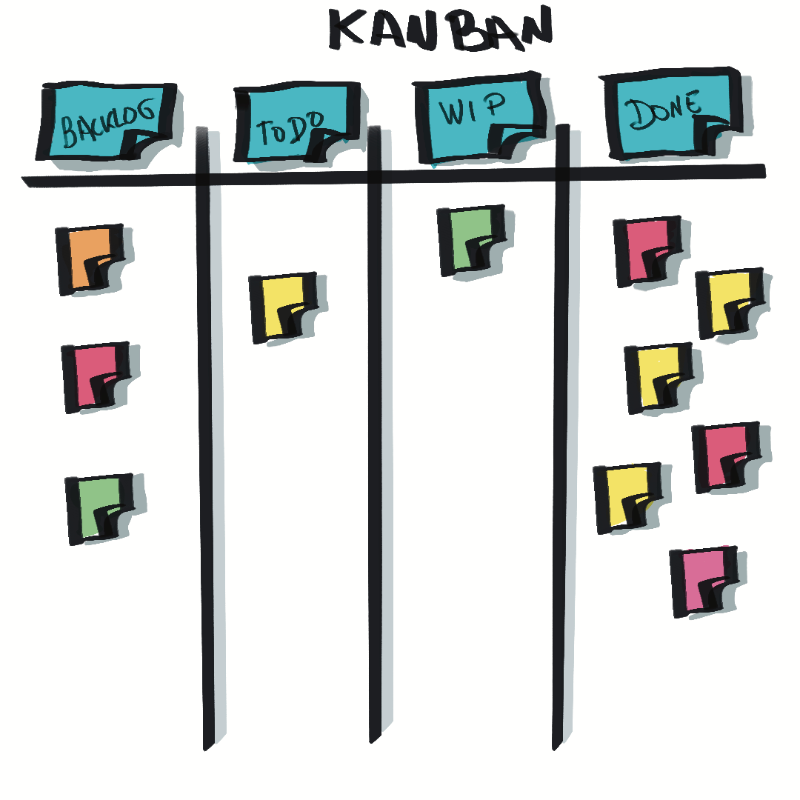
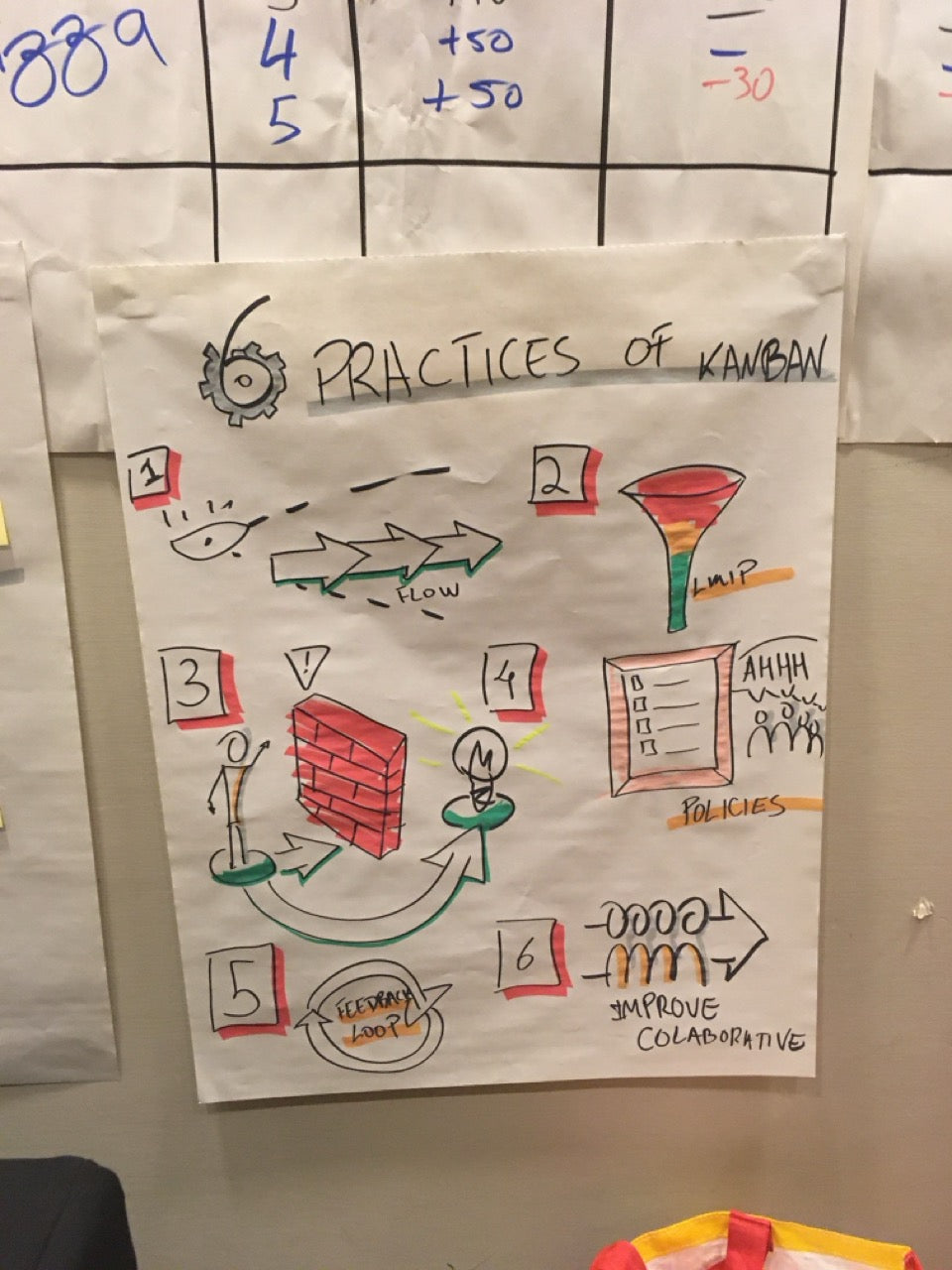
Visualização do trabalho
Conceber e desenvolver quadros Kanban eficazes -
Limitação do Trabalho em Progresso (WIP)
Reduzir a sobrecarga e melhorar o foco -
Gestão de fluxo
Medir, compreender e melhorar a eficiência do fluxo -
Políticas explícitas
Criação de acordos de trabalho claros dentro das equipas -
Ciclos de feedback e melhoria contínua
Aprender e adaptar através de inspeção regular -
Dimensionar Kanban
Aplicar Kanban a nível de equipa, multi-equipa e organizacional -
Kanban e Scrum
Compreender as diferenças e combinar ambas as abordagens
Todos os tópicos são reforçados através de simulações e exercícios práticos.
Como decorre a aprendizagem
Este curso combina:
- Pequenas introduções teóricas
- Exemplos de casos reais
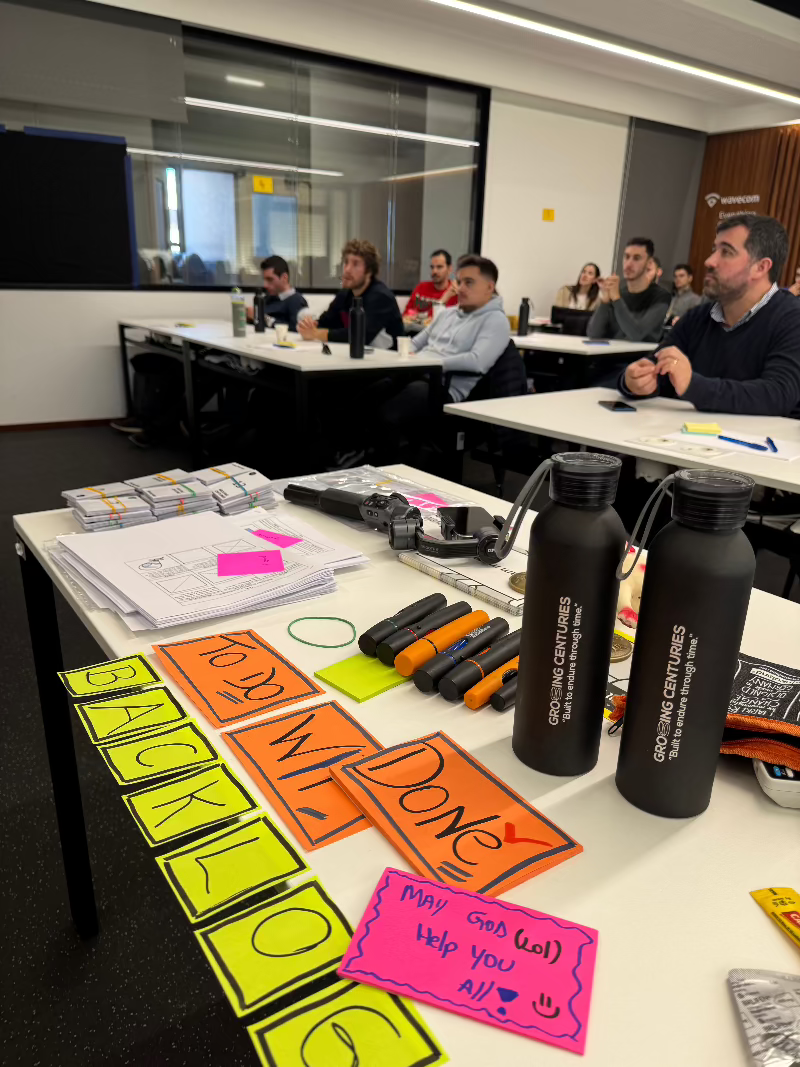
- Atividades interativas em grupo
- Simulações baseadas em fluxo
O foco é na aplicabilidade imediata, não em conhecimento abstrato.
Benefícios do curso
Participantes e equipas obtêm:
- Maior clareza e previsibilidade do trabalho
- Redução de desperdício e menos estrangulamentos
- Transparência e colaboração melhoradas
- Ferramentas práticas prontas para uso imediato
- Feedback mais rápido e tomada de decisões mais informada
Formato e duração
- Formato: Presencial ou online
- Duração: 8 a 16 horas (adaptável à profundidade e contexto)
- Estilo: Interativo, prático e baseado na experiência
Share